Table of contents
Modern Japanese fashion is witnessing a dynamic shift, as streetwear takes center stage and redefines urban style. This article delves into the cultural forces, aesthetic choices, and social influences driving the popularity of streetwear in Japan today. Discover what makes this movement so captivating and how it continues to shape the identity of a new generation of trendsetters.
History of streetwear in Japan
Streetwear history in Japan is deeply interconnected with the nation’s evolving youth culture and urban style. Emerging in the late 1980s, the movement drew early inspiration from American hip-hop and skateboarding subcultures, yet quickly adapted, forging a unique Japanese identity. Brands such as A Bathing Ape (BAPE) and Neighborhood became pioneers, infusing Western symbols with local aesthetics rooted in meticulous craftsmanship and attention to detail. Through the 1990s and 2000s, Japanese fashion magazines and boutique stores in districts like Harajuku and Shibuya acted as incubators for subculture expression, fueling creativity and competition among Japan’s urban youth. These spaces fostered a spirit of experimentation, blending global influences with traditional motifs, which set Japanese streetwear apart from its Western counterparts and shaped distinct trends within the evolution of streetwear.
Unlike Western styles, which often emphasize bold branding and mass appeal, Japanese streetwear is characterized by limited releases, subtle references, and strong ties to local art and music scenes. Urban environments in Tokyo, Osaka, and other major cities played a pivotal role in this evolution, offering diverse backdrops for self-expression and collective identity. Youth culture Japan consistently leveraged these urban settings to challenge conventional norms, resulting in a dynamic, ever-shifting landscape. The evolution of streetwear in Japan now continues to influence global fashion, with Japanese designers and subculture innovators remaining at the forefront of the industry, reflecting the deep integration of urban style Japan with contemporary youth identity.
Cultural fusion and street style
Japanese street style stands out for its innovative hybridization, where traditional elements seamlessly blend with modern streetwear aesthetics. This distinctive approach to cultural fusion fashion is evident in the incorporation of classic motifs such as sakura blossoms or wave patterns, often found on obi belts or haori jackets, into contemporary garments. The use of traditional fabrics like indigo-dyed cotton or luxurious silk further enriches street outfits, presenting a tangible connection between heritage and cutting-edge fashion. By adapting items such as the kimono or yukata into modern kimono streetwear, designers and wearers alike challenge conventional boundaries, creating ensembles where tradition meets urban energy.
This interplay of old and new not only pays homage to cultural roots but also delivers unique Japanese fashion expressions that captivate both domestic and international audiences. Harajuku’s fashion scene, for instance, showcases this synthesis through layered outfits that juxtapose vintage kimono sleeves with graphic tees or platform sneakers, demonstrating the dynamic nature of hybridization in everyday wear. As a result, Japanese street style serves as a creative platform where cultural identity and innovation intersect, continually redefining the meaning of individuality in the global fashion landscape.
Social media’s impact on streetwear
Digital dissemination through platforms like Instagram, Twitter, and TikTok has rapidly accelerated the spread of online streetwear Japan, transforming it from niche communities into a nationwide movement. Japanese influencers play a pivotal role in shaping social media fashion trends, curating looks that quickly gain traction and reach vast audiences. Viral fashion Japan moments, such as limited edition sneaker drops or collaborative capsule releases, are frequently amplified by these platforms, allowing trends to traverse geographical boundaries and ignite interest among Japanese youth. This ecosystem fosters a digital fashion culture where accessibility, immediacy, and engagement drive the popularity and ever-evolving nature of streetwear in modern Japanese society.
Social media not only highlights international influences, but also enables local creators to gain visibility and build their own brands within the global landscape. Engagement with Japanese influencers allows users to discover emerging designers and participate in viral challenges or hashtag campaigns that further propel online streetwear Japan. Platforms act as virtual runways and public forums, breaking down traditional fashion hierarchies and democratizing influence. The fusion of digital dissemination and real-time interaction ensures that social media fashion trends in Japan remain fresh, diverse, and reflective of youth-driven creativity.
Streetwear as self-expression
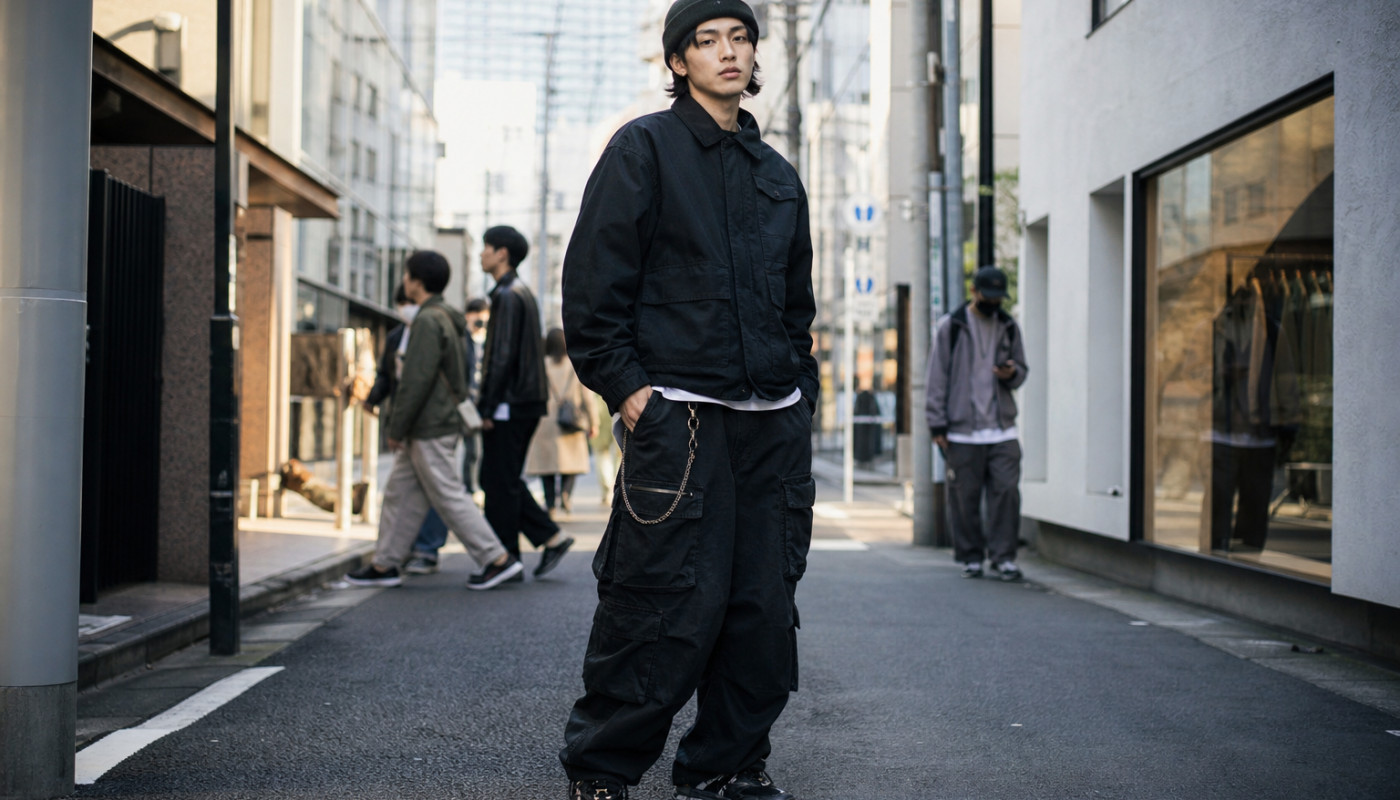
Streetwear has become a dynamic platform for Japanese youth identity and self-expression fashion, offering individuals a way to challenge deep-rooted societal norms and expectations. The flexibility in combining oversized silhouettes, bold graphics, and rare sneakers enables the wearer to break free from uniformity and create a distinct personal narrative. Through choices in color, branding, and layering, streetwear symbolism emerges, signaling affiliations, beliefs, and even subcultural loyalties. These fashion statements Japan often reflect a conscious act of identity performance, where young people communicate their beliefs or aspirations to peers and the wider public.
Individual style Japan is not just about appearance, but about marking a stance within society, navigating between tradition and modernity. For example, mixing Western streetwear with traditional Japanese elements demonstrates a blend of global trends with local heritage, turning every outfit into a personal manifesto. Many enthusiasts and newcomers alike look to specialized platforms for inspiration and access to limited-edition pieces, as seen on see this website, which showcases the rich diversity and evolution of Japanese streetwear culture. This continuous renewal of style and meaning ensures that each look functions as both a mirror and a message, reinforcing the role of streetwear in shaping modern identity performance among Japanese youth.
The global influence of Japanese streetwear
Japanese streetwear influence has reshaped global fashion trends through a process known as transnational diffusion, where local styles are adopted and reinvented on the world stage. Brands such as A Bathing Ape, Comme des Garçons, and Neighborhood have driven international streetwear markets, often collaborating with Western designers to create limited-edition collections that attract global attention. This synergy has not only introduced unique aesthetics—like bold graphics, oversized silhouettes, and unconventional layering—to audiences abroad, but has also inspired new approaches to self-expression and subcultural identity within worldwide fashion inspiration. Social media platforms and fashion weeks in cities such as Paris, New York, and London have accelerated the visibility of Japanese style abroad, enabling enthusiasts from different backgrounds to engage, reinterpret, and integrate these styles into their wardrobes.
International audiences often connect with Japanese streetwear through resale markets, pop-up boutiques, and online communities, fostering a vibrant exchange of ideas and trends. The cross-pollination of Japanese streetwear influence with regional preferences has led to the emergence of hybrid styles, blending traditional Japanese motifs with contemporary global fashion trends. As a result, Japanese streetwear is no longer confined to its origins but continues to evolve as a source of worldwide fashion inspiration, shaping the ways people dress and express themselves across continents.
Similar articles


